Deepfake Dangers: How to Detect and Protect Against Synthetic Media
Explores the dangers of deepfakes, how they work, how to detect them, and practical ways to protect yourself and your organization from being deceived.


Suggested:
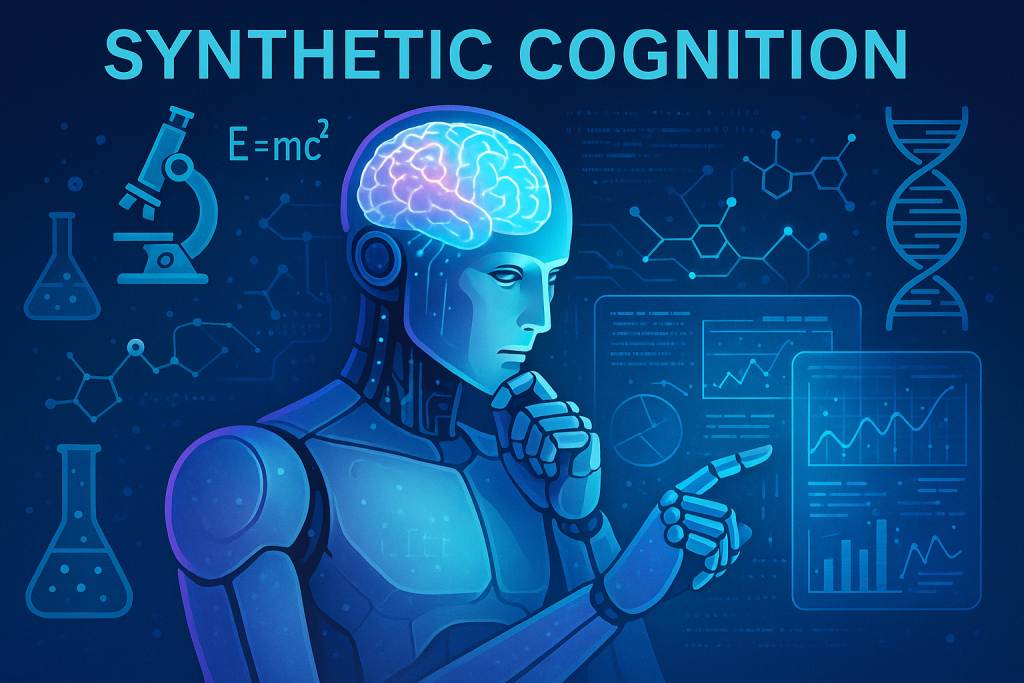
Can machines ever generate hypotheses, conduct experiments, and revise theories like human scientists? With AI evolving rapidly, we may be closer than we think.
Table of contents [Show]
Artificial intelligence has made extraordinary strides in tasks like language understanding, image generation, and protein structure prediction. But most of these systems still operate as pattern recognizers, not knowledge creators.
The next frontier? Teaching AI to think like scientists — to explore the unknown, formulate hypotheses, test assumptions, and update beliefs.
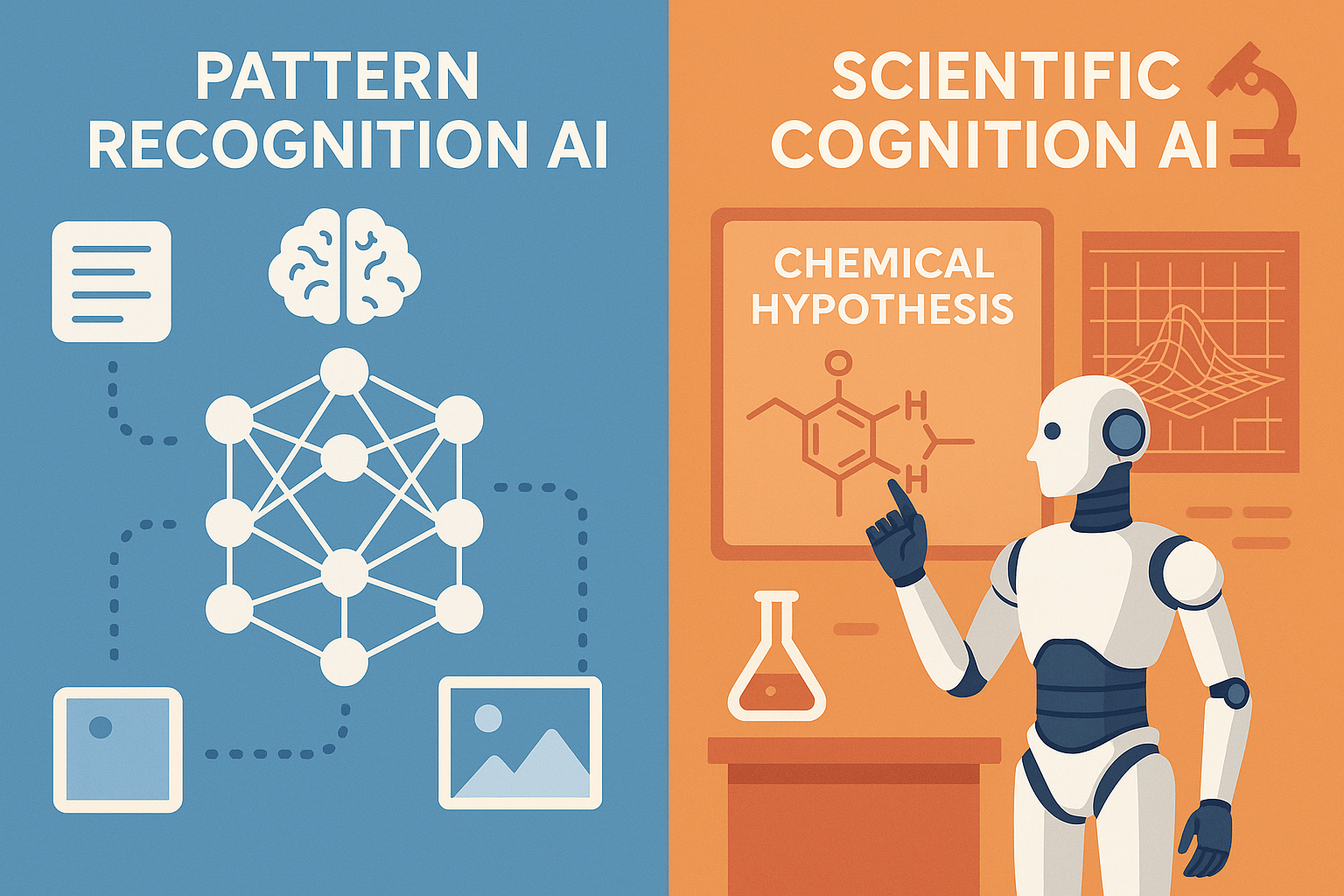
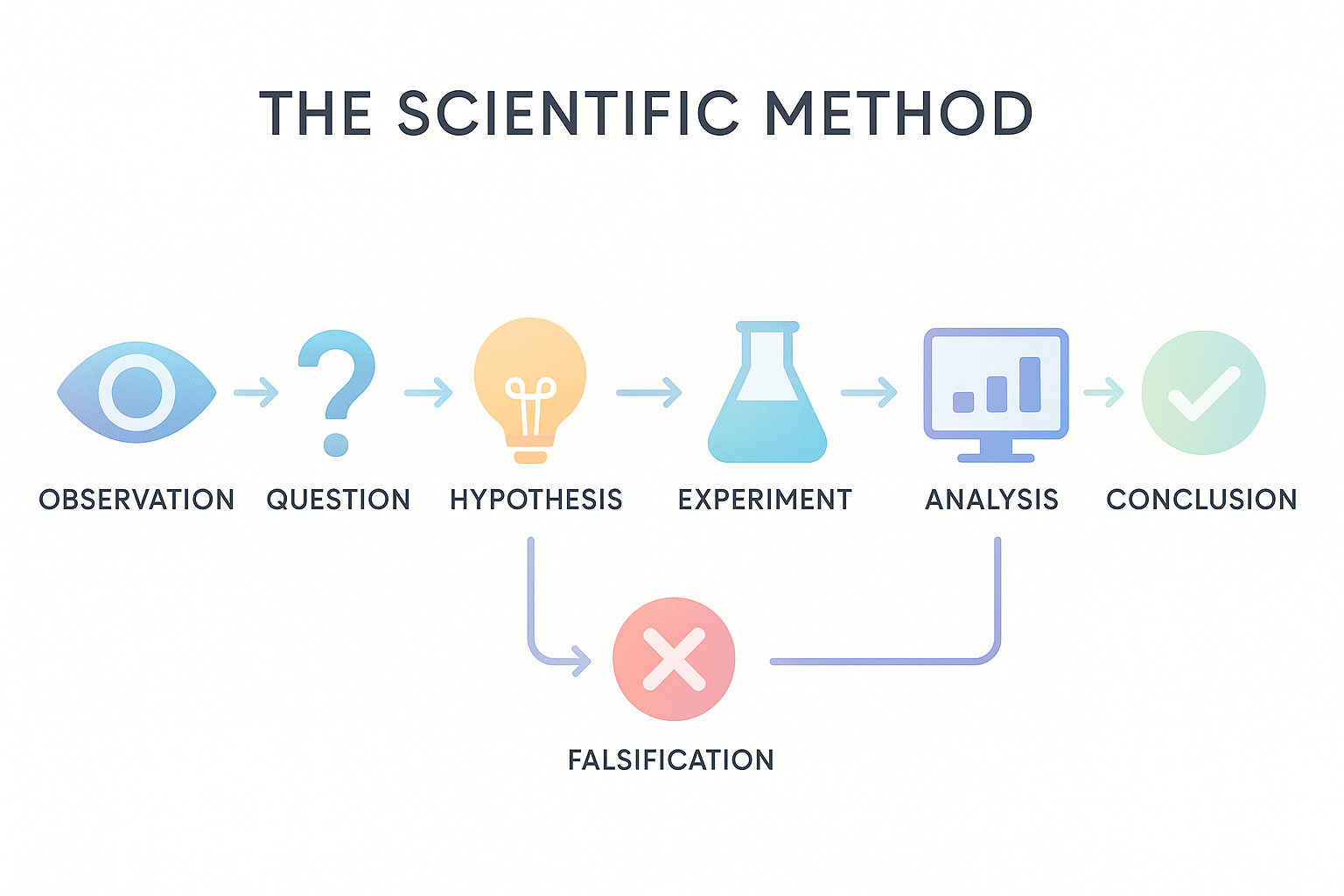
Human scientific reasoning involves:
These are deeply cognitive and dynamic — something current AI systems only emulate at a surface level.
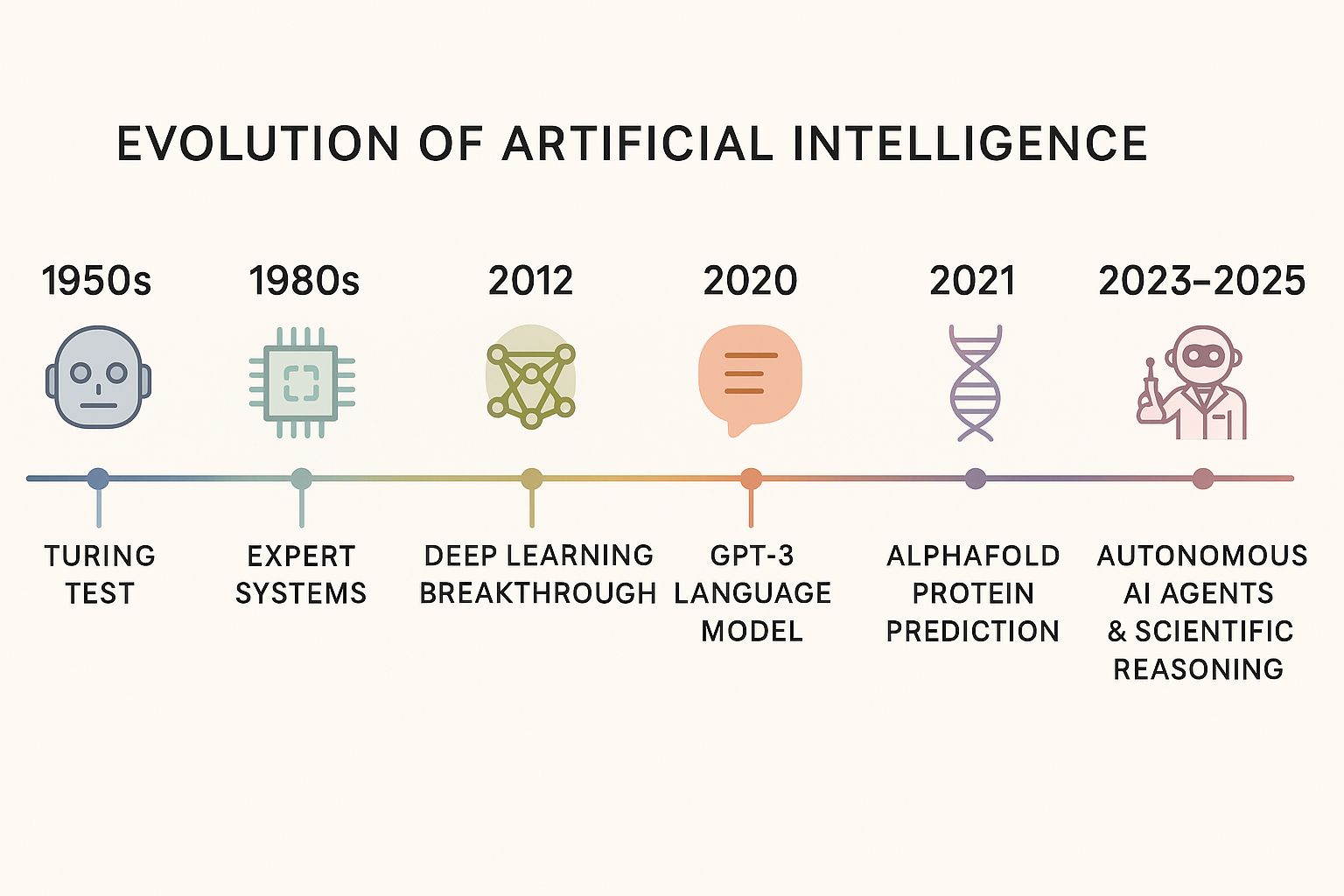
While AI hasn't become a "syntist" yet, several systems show glimmers of scientific cognition:
Predicts 3D protein structures using prior biological knowledge — a form of high-level inference.
Learns interpretable probabilistic programs from data, effectively building scientific “theories.”
Automatically designs and improves its own algorithms via experimentation — a kind of meta-science.
Imagine an AI that:
This requires combining multiple techniques:
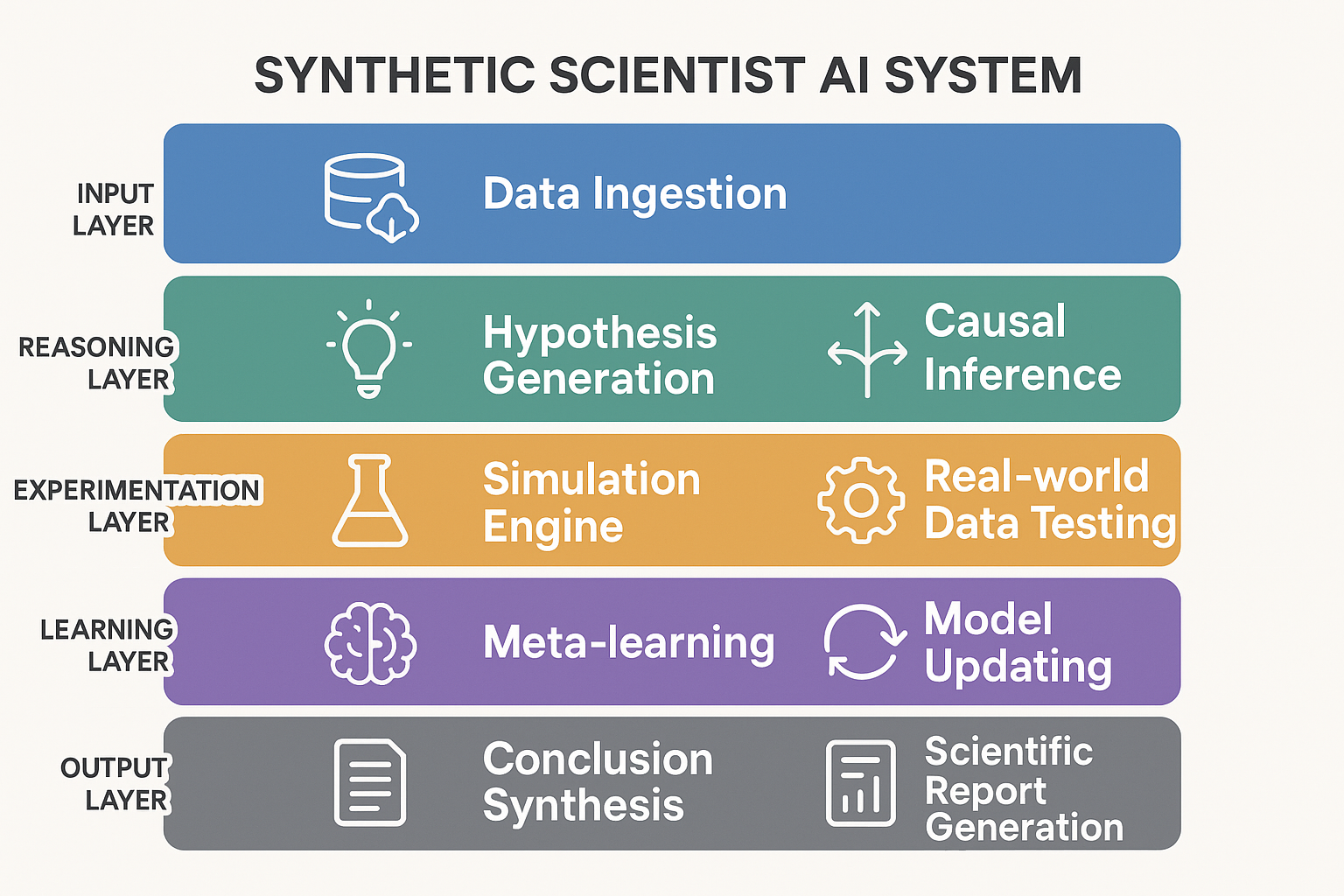
| Tool | Function |
|---|---|
| GPT-4 + LangChain | Text-based reasoning and chaining experiments |
| OpenAI's Code Interpreter | Running and evaluating code-based simulations |
| CausalNex / DoWhy | Inferring cause-effect relationships |
| AutoGPT & BabyAGI | Autonomous agent experimentation in software |
“A theory that explains everything, explains nothing.” — Karl Popper
As AI gains the ability to generate testable hypotheses and revise internal models, it could:
What you’ll need:
What it does:
The journey from prediction to understanding marks a turning point in AI development. Designing systems that can act like scientists not only helps us solve problems faster — it also pushes us to reconsider what it means to know.
Explores the dangers of deepfakes, how they work, how to detect them, and practical ways to protect yourself and your organization from being deceived.
Master advanced text generation with the OpenAI API. Learn expert prompt engineering, temperature control, function calling, and real-world GPT-4 use cases to build smarter AI applications.
Discover how chatbots work behind the scenes with large language models, transformers, and AI training. A deep dive into the tech powering modern AI.